
Rain Garden at the Ujigawa Open Laboratory, Disaster Prevention Research Institute at Kyoto University
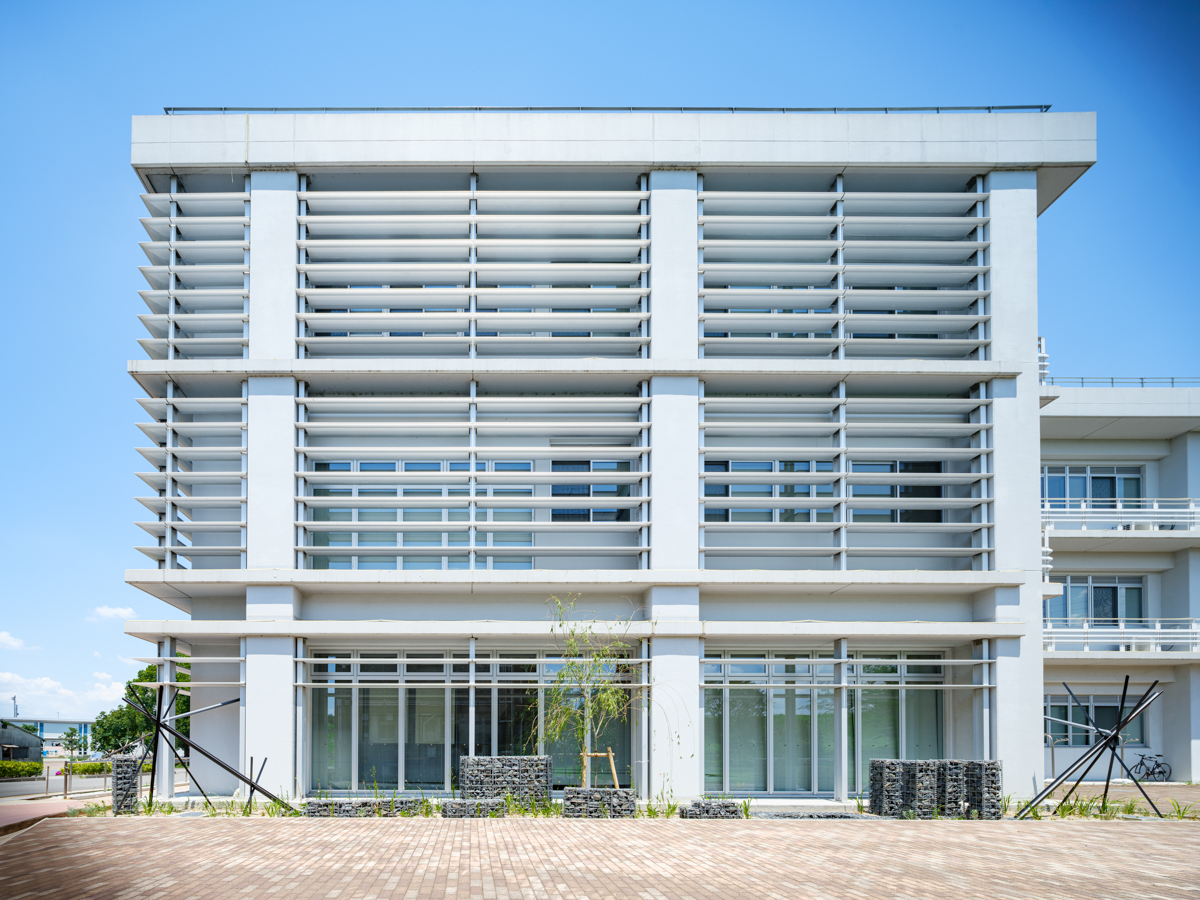
The Ujigawa Open Laboratory of Kyoto University's Disaster Prevention Research Institute conducts research to prevent and decrease disasters mainly resulting from water and mud. Ueyakato Landscape constructed a rain garden on the laboratory's premises to perform the three functions of irrigation, promotion of local biodiversity, and cultural expression. Drawing upon its previous experience in rain garden construction, Ueyakato Landscape also provided concrete advice for the project's detail design.
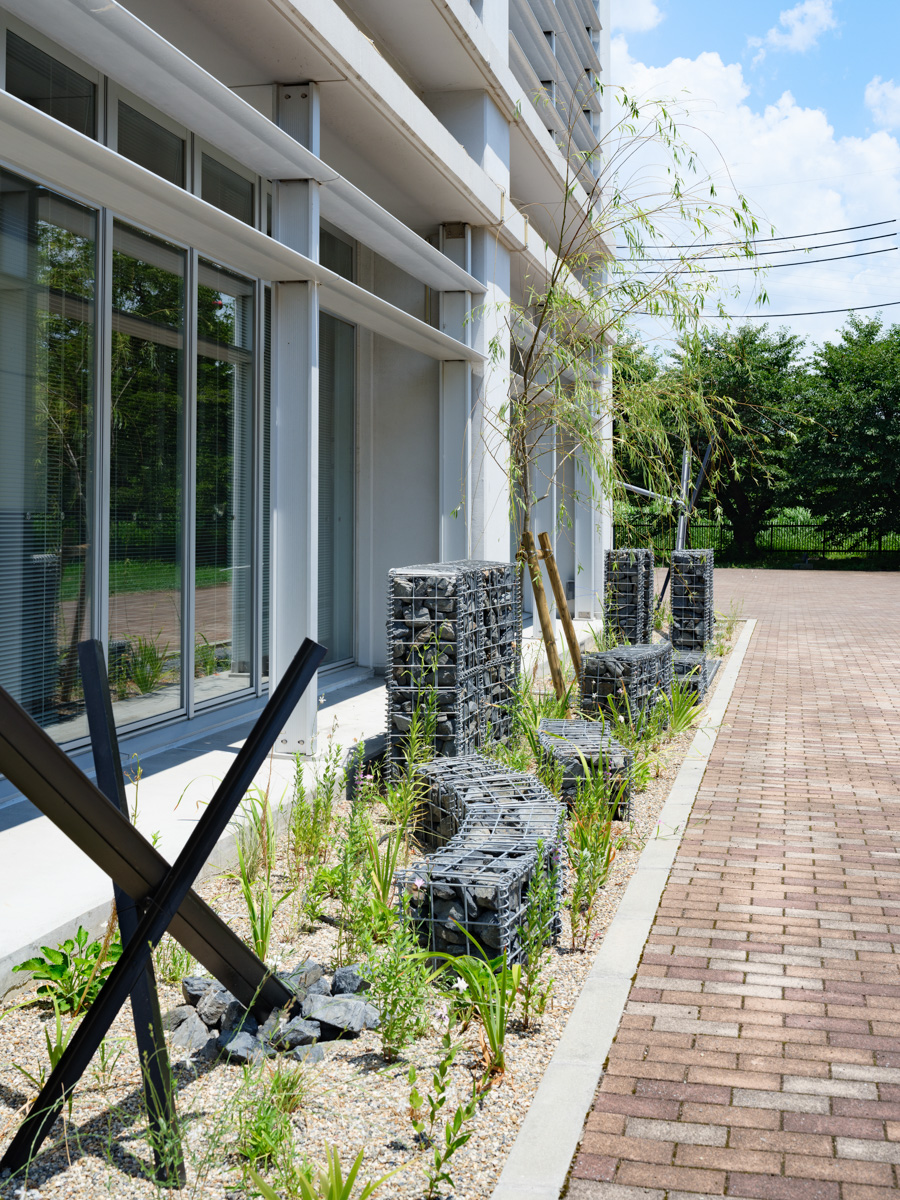
Rain gardens have planted spaces that can temporarily store rainwater and gradually infiltrate it into the ground, while adjusting the amount of water that flows into the sewers. They are therefore expected to help lessen and prevent flooding recently increasing even in urban areas due to torrential downpours caused by climate change.
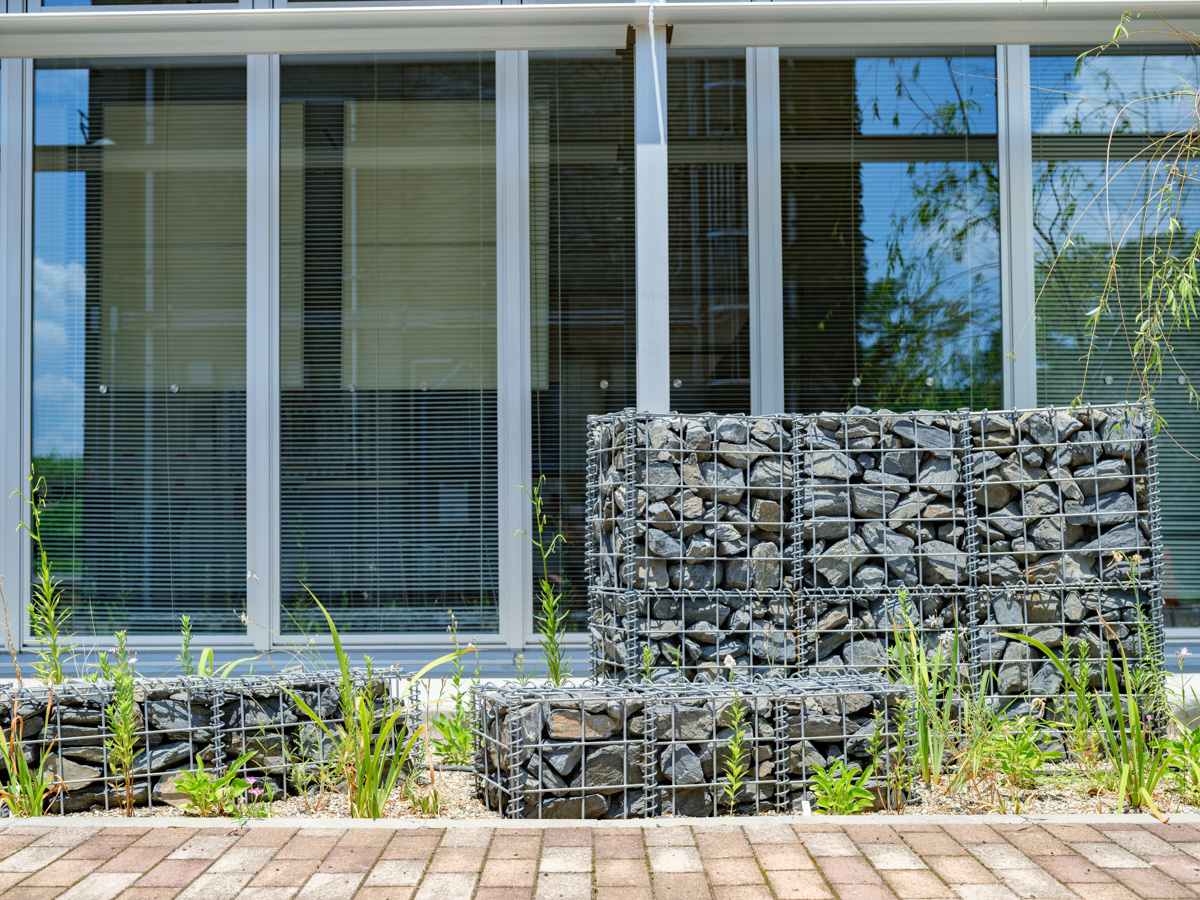
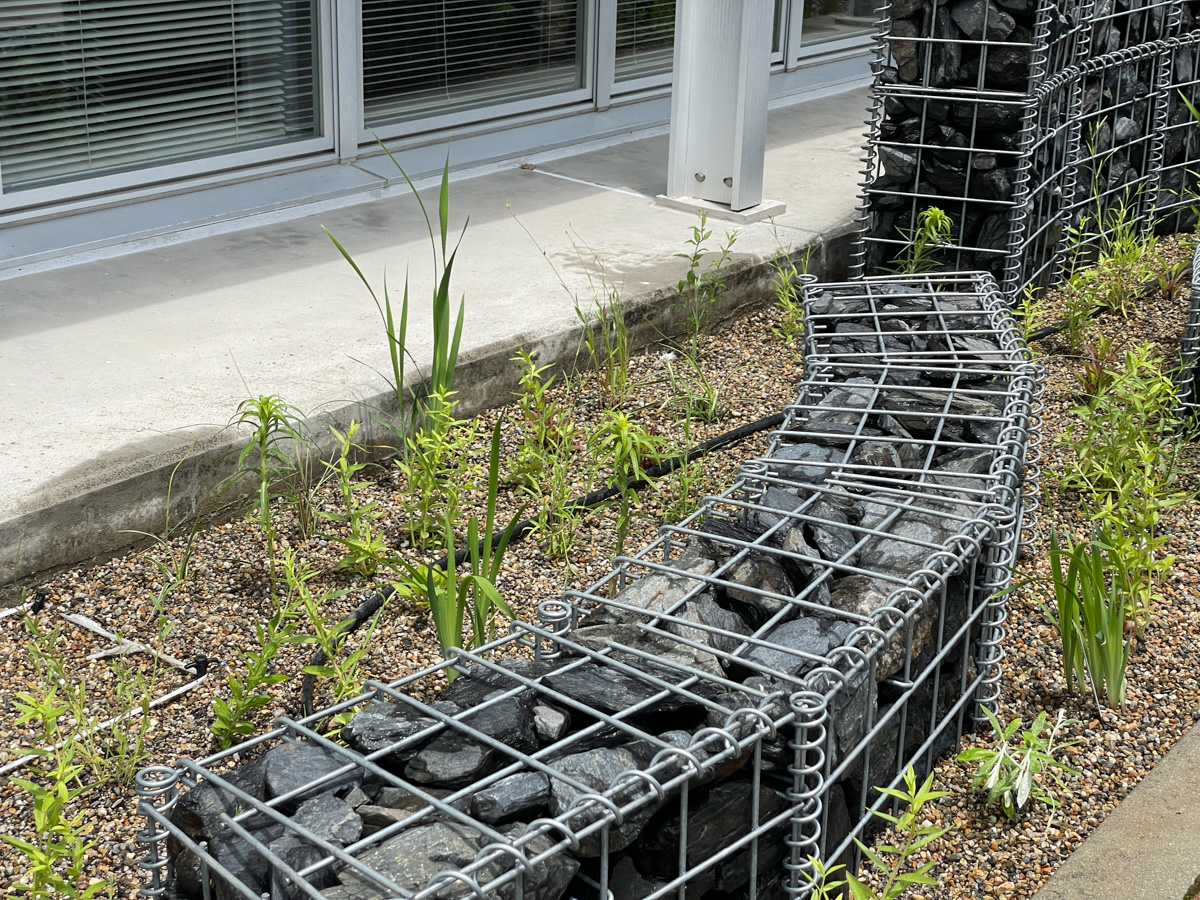
Planting in rain gardens also helps ease the effects of heat islands.
At this garden, planting includes native species of the Fushimi Ward of Kyoto City where Ujigawa Open Laboratory is located, with each zone planted in accordance with its concept.
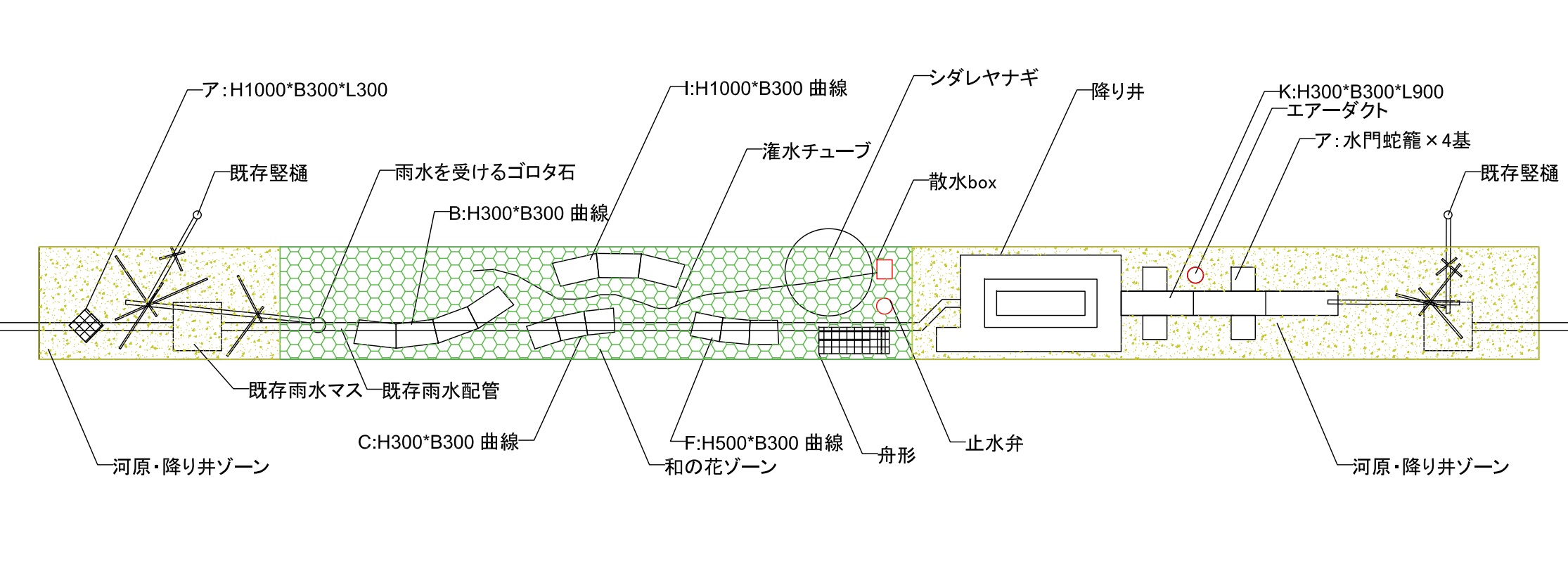
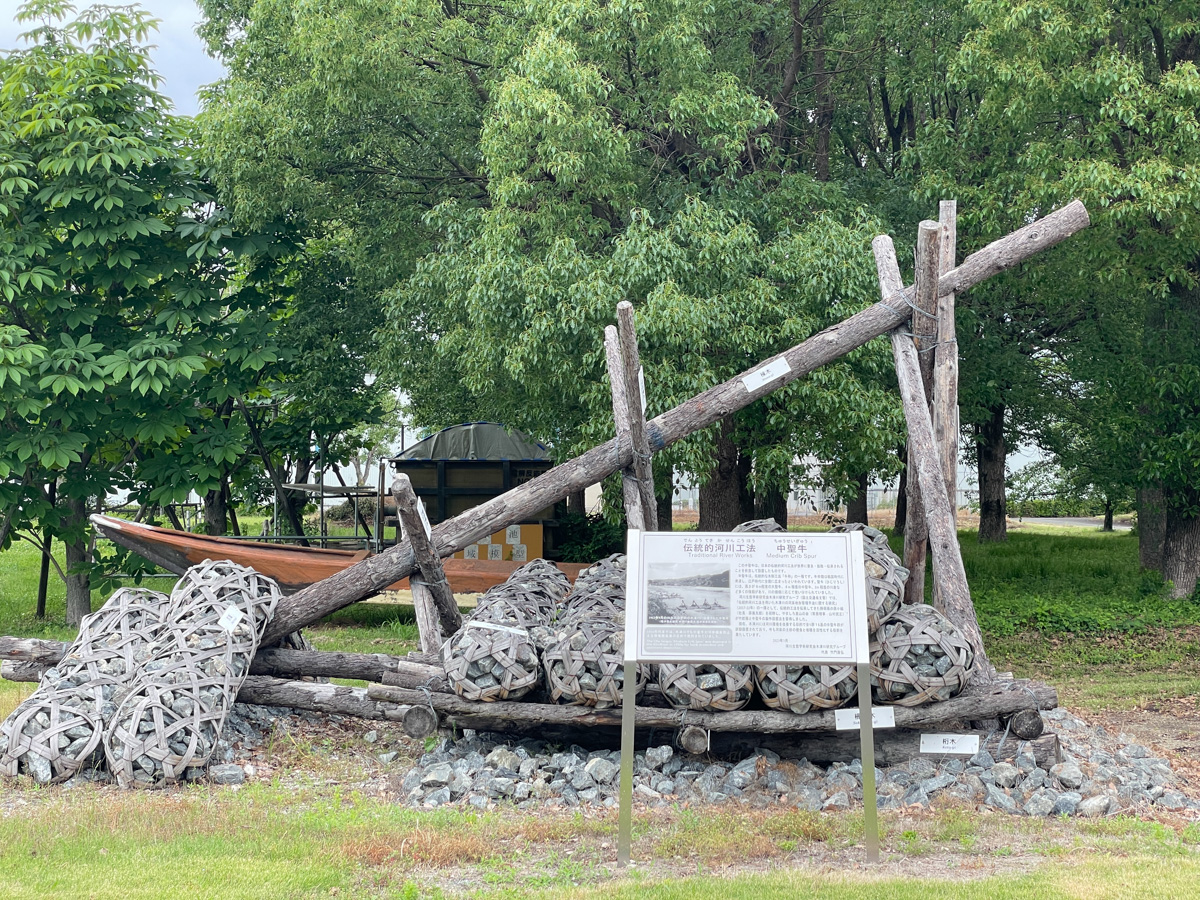
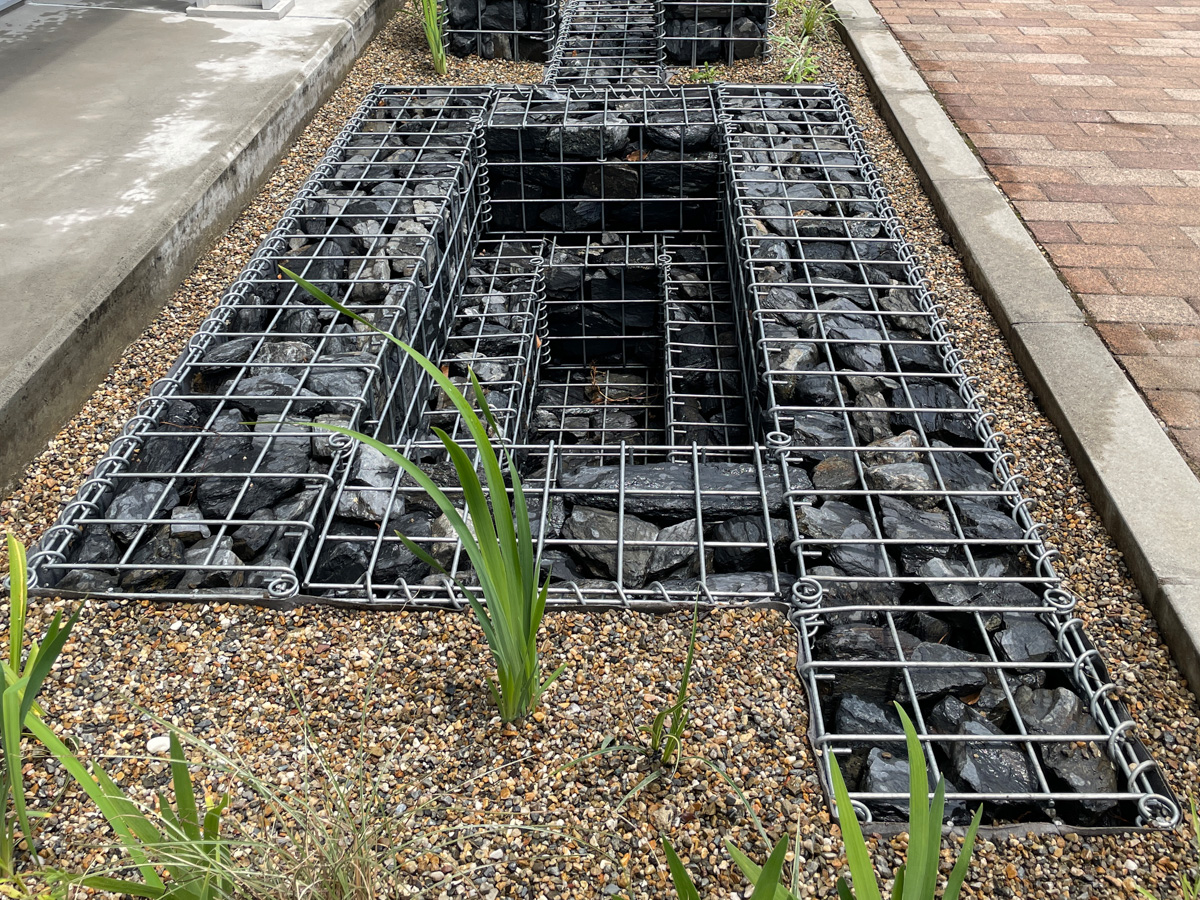
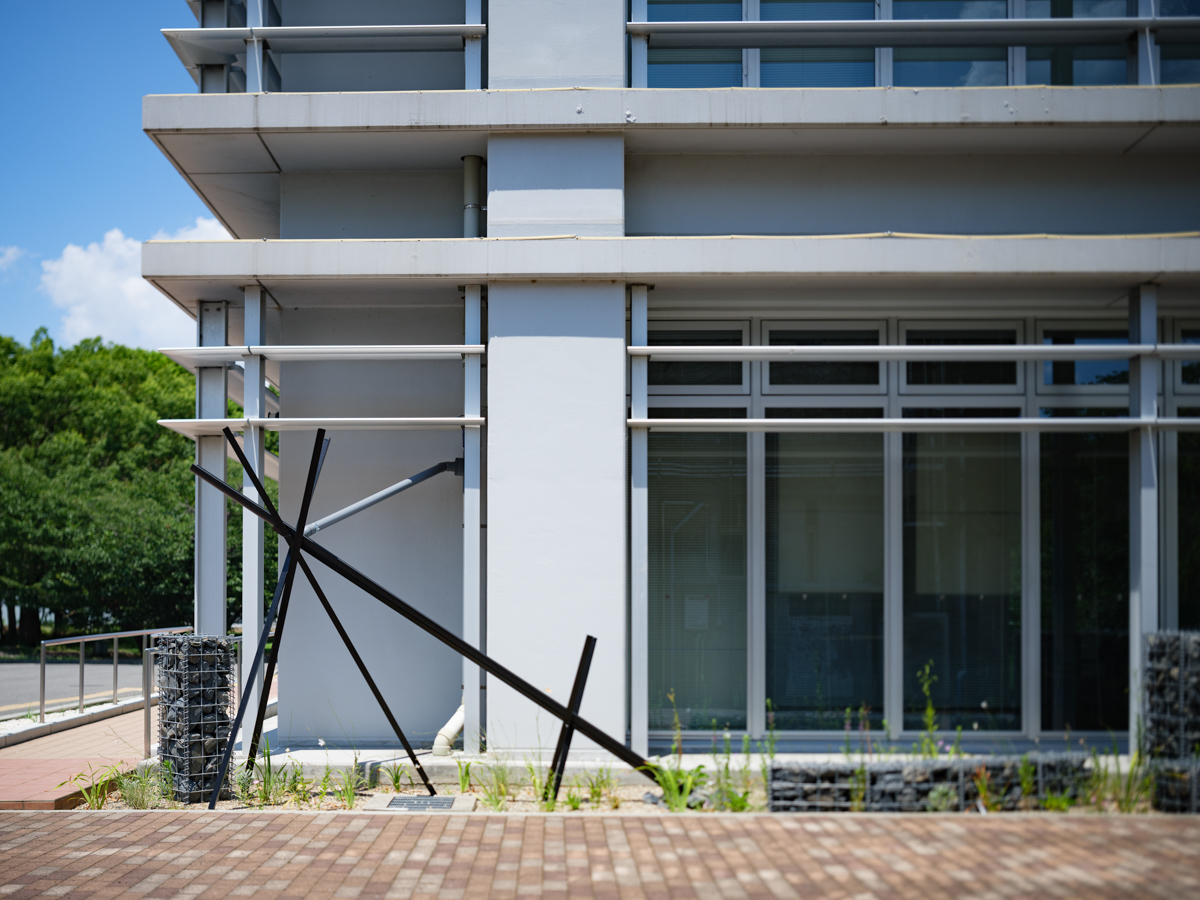
Moreover, the garden's rain gutters have also been transformed into public art (rain gutter art) by using a “seigyū” (sacred cow), a type of traditional Japanese water control structure called “ushiwaku” (cattle frame), as a motif symbolically expressing the facility’s purpose of water-related disaster prevention and biodiversity conservation. Believed to have been conceived during a Japan's civil war period during the fifteenth and sixteenth centuries, the “sacred cow” was installed in rivers to halt river erosion and promote sediment deposition, while the gaps in the gabions also served as habitats for diverse aquatic life.
Traditional garden techniques include a feature called an “Ori-i” (descending well), which involves digging a wide trench from ground level to a depth of about a person’s height, with a small well frame shaped like the Chinese character for “well” (井) at the deepest point.
A descending well also exists at Sanshi suimeisho, the residence that Edo period (1603-1868) thinker Rai Sanyō built by the shore of the Kamogawa river.
Morimoto Yukihiro, professor emeritus at Kyoto University, thinks that this "descending well" was likely created as a giant rainwater infiltration device in response to the frequent flooding of the Kamogawa River after an urban fortification constructed by the sixteenth century warlord Toyotomi Hideyoshi (known in Japan as "Odoi") was removed during the mid-nineteenth century. The Ujigawa Open Laboratory's rain garden also features a descending well that uses a contemporary interpretation of the same technology.
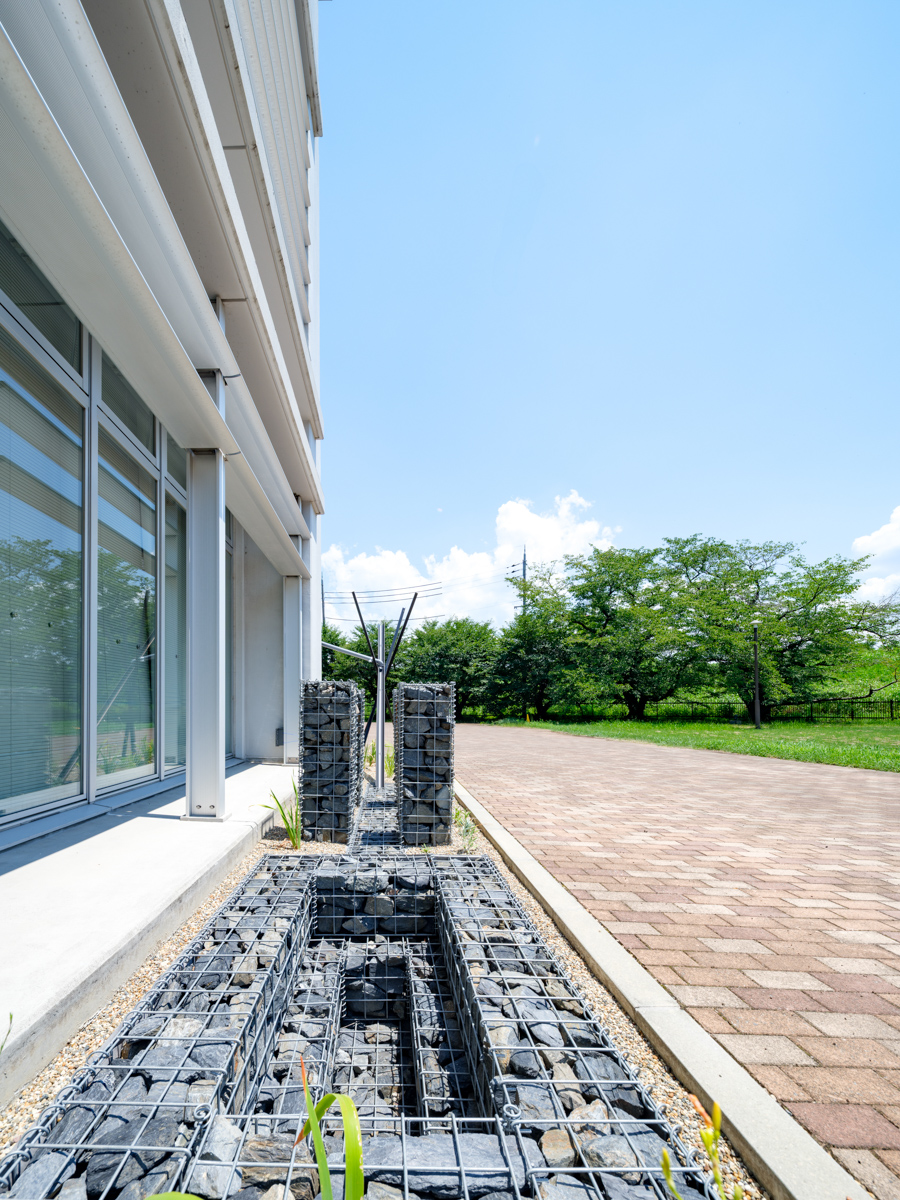
As urban conditions continue to become more challenging, Ueyakato Landscape will continue investing all of our know-how into Japanese gardens to make a contribution that is both physical and cultural.
Location: Kyoto University (Yoko-Ōji) Ujigawa Open Laboratory Main Hall, South Side
Overall planning: Professor Kawaji Kenji, Visiting Professor Wada Keiko (Disaster Prevention Research Institute)
Design: Ano Teruhide (awake Ano Teruhide Landscape Design Research Institute)
Design supervision: Morimoto Yukihiro
Design and construction: Ueyakato Landscape
Construction year: 2025
Area: 26.1㎡
- Location:
- Kyoto City, Kyoto Prefecture
- Accessibility:
- Open to the public
- Garden creation period:
- 2025